Preamble:
There are moments when a door closes behind you before you fully understand what you have chosen.
Joshua says, “As soon as the pursuers had gone out, the gate was shut.”
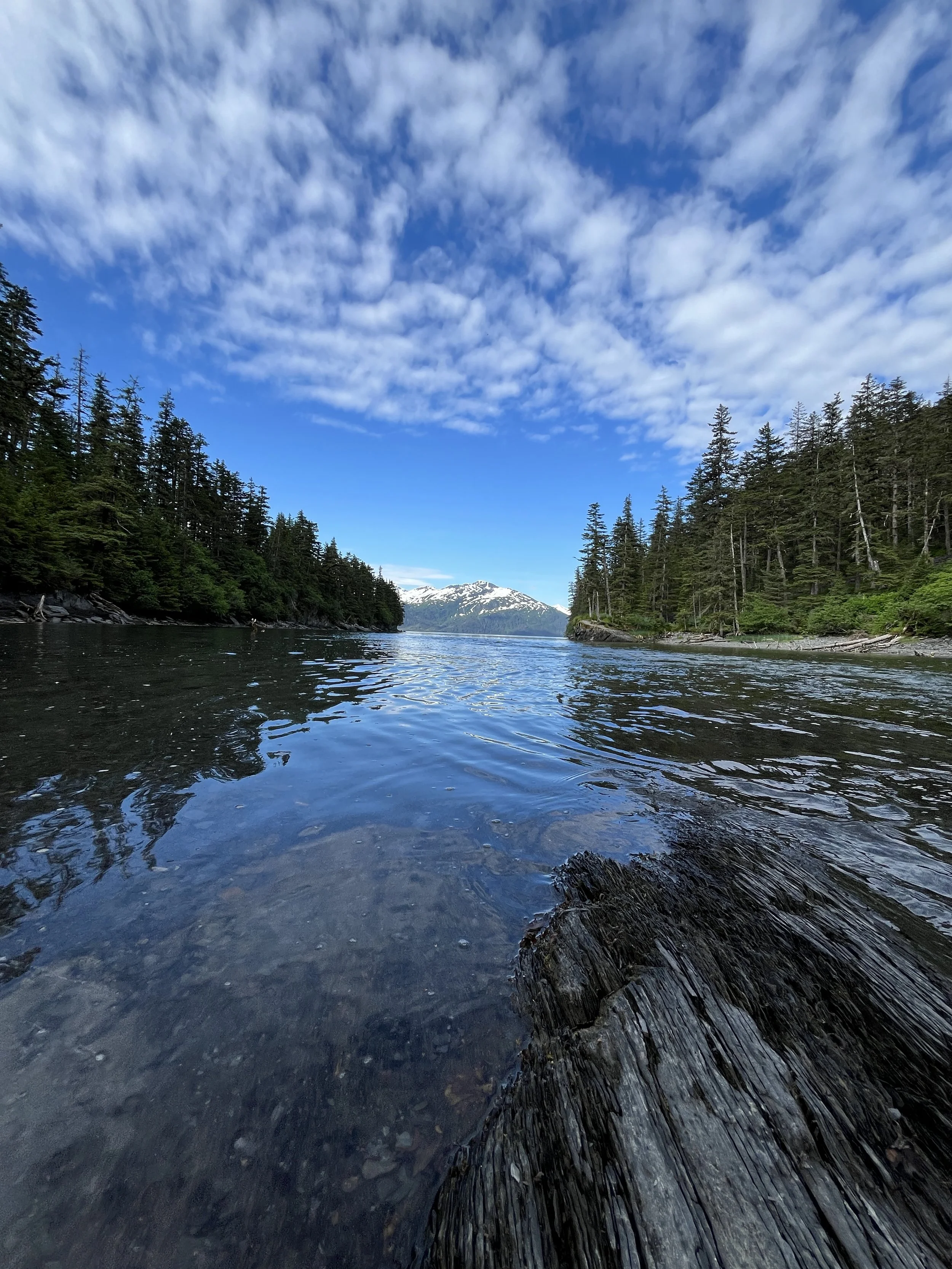
I have been thinking about gates this week after moving through Southeast Alaska, Ketchikan, Sitka, Juneau, places where mountains press against the water and the road sometimes simply ends. You do not always get where you are going by continuing straight. Sometimes you have to cross.
That image stayed with me because we return home to a world full of argument. Politics sharpens. Nations divide. People explain what everyone else must change. Yet the prophetic question is more demanding:
What in me must change?
That question is waiting inside Rahab’s house.
Jericho still stands. The king still has power. Israel has not crossed over. Rahab does not know how the story ends, but she knows enough to decide where she will stand within it.
And that matters on this Sunday, because when the sun goes down, the Jewish world enters Yom Kippur, the Day of Atonement.
Yom Kippur asks us to become quiet enough to hear what accusation usually drowns out: confession. Not what they did. Not what the other side did. Not even what the person who wounded us did. The question bends inward: What have I done, what have I left undone, and am I prepared to return?
The Hebrew word is תְּשׁוּבָה — teshuvah: return. Not sorrow as performance, not guilt as theater, but a turning of the life.
Rahab cannot change yesterday. She cannot control Jericho, Israel, the king, or tomorrow. But she possesses one sacred piece of territory: the next thing she does.
Perhaps that is where repentance always begins.
James remembers her not because she had the best theology, but because she welcomed the messengers and sent them out another way.
Another way.
Southeast reminded me that sometimes the old road simply cannot take you where you need to go. The mountain blocks it. The water interrupts it. The map reaches its limit.
And sometimes faith begins with the humility to admit:
I cannot get there from here by remaining who I have been.
The world will continue arguing about who must change.
Yom Kippur asks the harder question:
What road must change beneath my own feet?
Because when living faith enters the house, something must leave by another road.